Ogunseiju Building a Better Life for Construction Workers
Wes McRae | Atlanta, GA – August 5, 2026
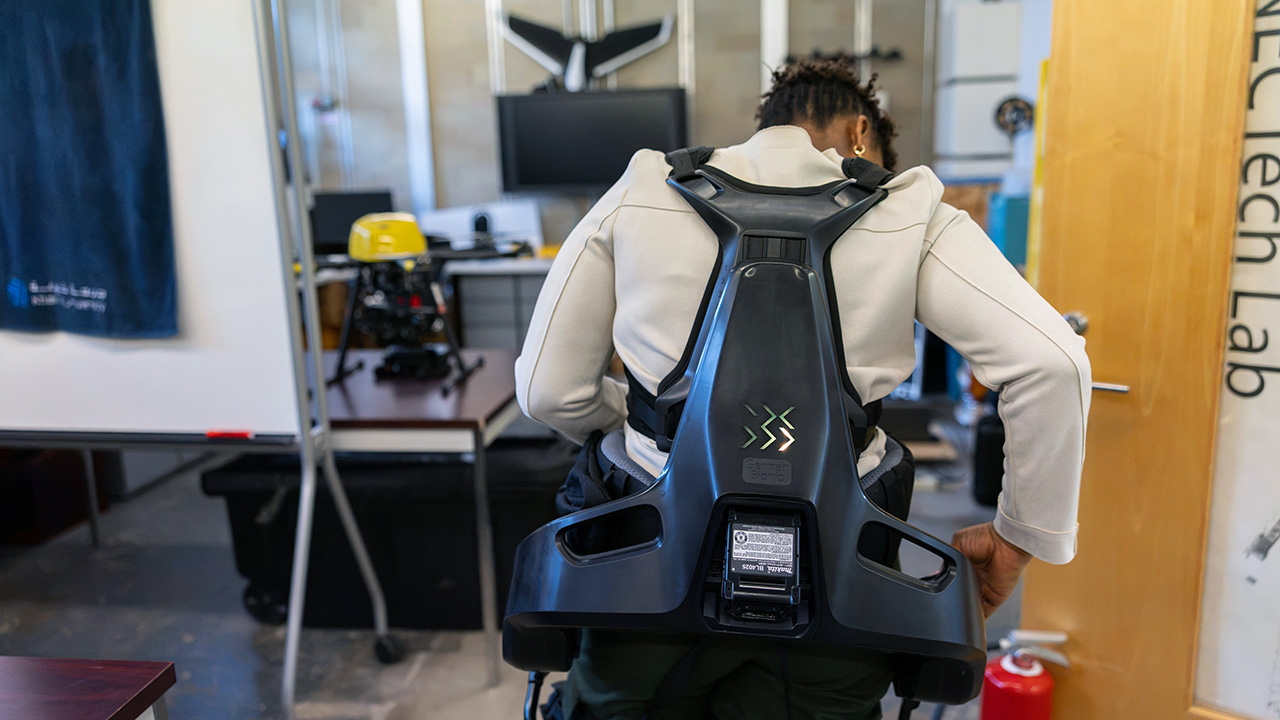
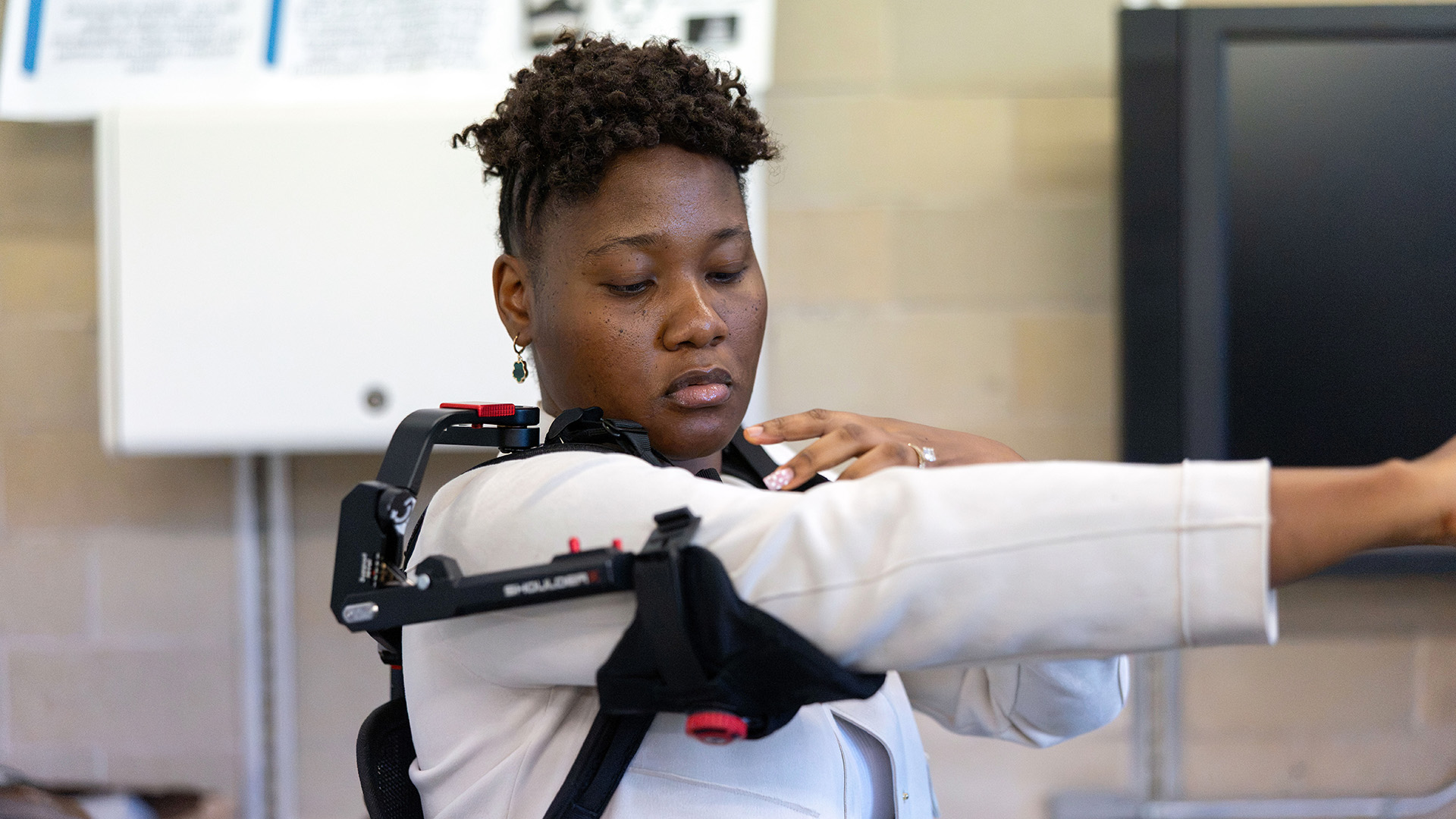
Wearable robots and passive exoskeletons have the potential to help construction workers both on the job site and beyond, according to Omobolanle Ogunseiju's ongoing research.
Most existing research focuses on pilot studies initiated by the researcher, Ogunseiju said. For her recent publication, Real-world adoption of exoskeletons in construction: trends, ethical, legal, social, and technical challenges from a multi-method study of industry practices and policies, she had to look for companies that had started implementing exoskeleton technolgies on their job sites. "I think their perception makes a lot of difference in understanding how adoption can grow."
"I've not seen any other real-world implementation study, so I think this is one of a kind."
The demands of the construction industry can take a toll on the body, said Ogunseiju, an assistant professor in the School of Building Construction. "Young workers, if they have an option, will probably avoid the industry because of the pain and repetitive motion."
"One of the most important things to me is that these technologies can actually help workers to enjoy life better, to be more present, to have the strength to do what they love, even after work."
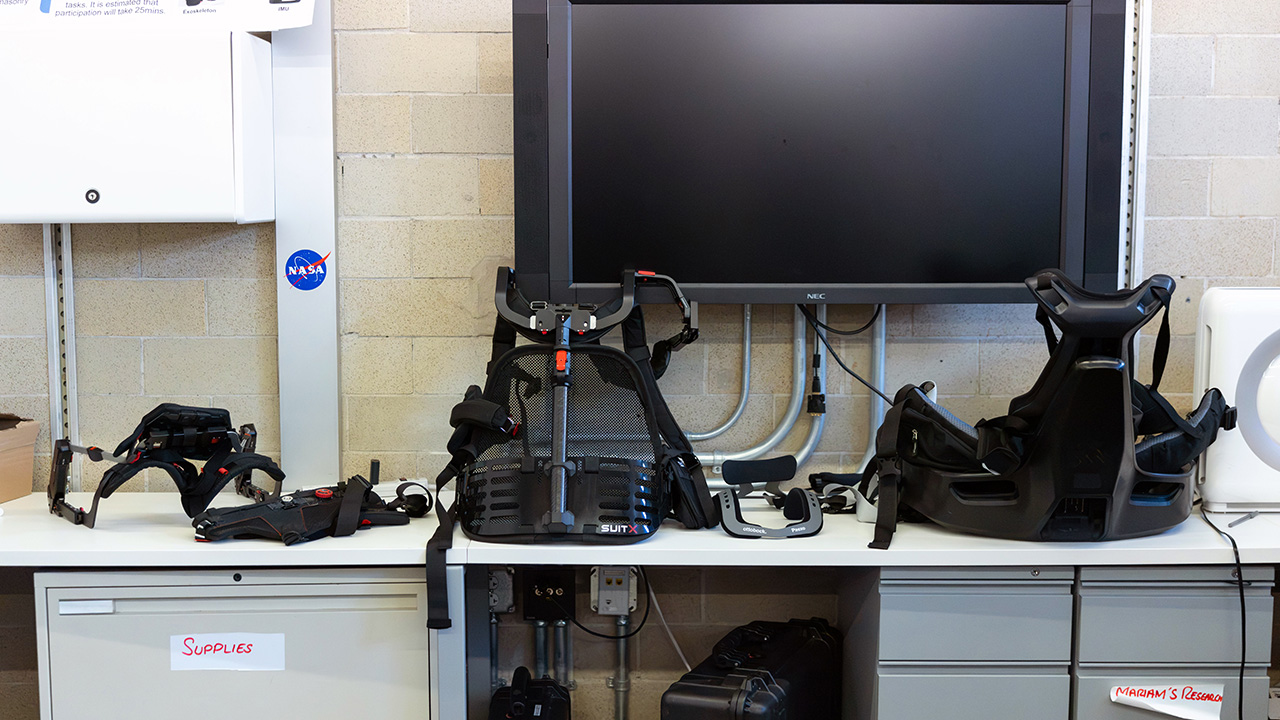
Ogunseiju's research encompasses two primary types of exoskeletons. Active exoskeletons use mechanical actuators to power movement, while passive exoskeletons work with the body's natural motion through flexible, lightweight designs, some resembling the safety harnesses construction workers already wear on the job. "These are not the very robotic types that we see in the movies," Ogunseiju said. "These technologies augment the natural strength of the wearer. Passive exoskeletons particularly are easier on the body, easier to integrate into construction workflows."
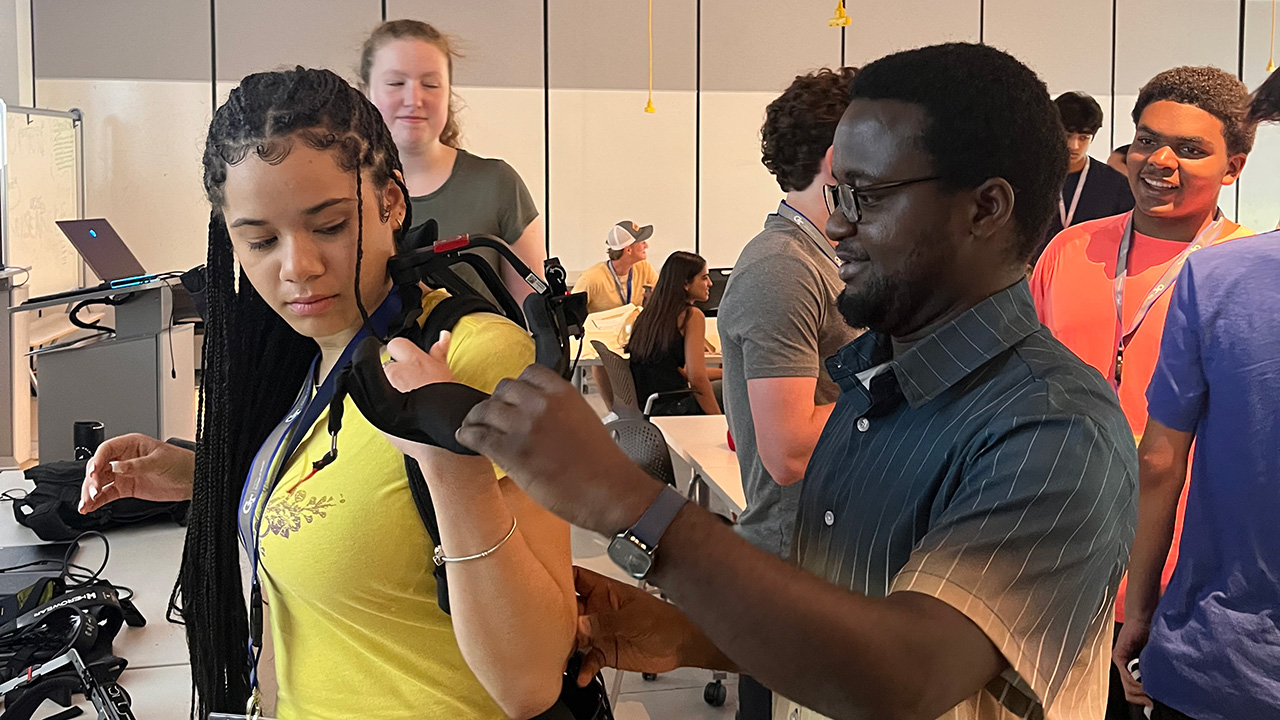
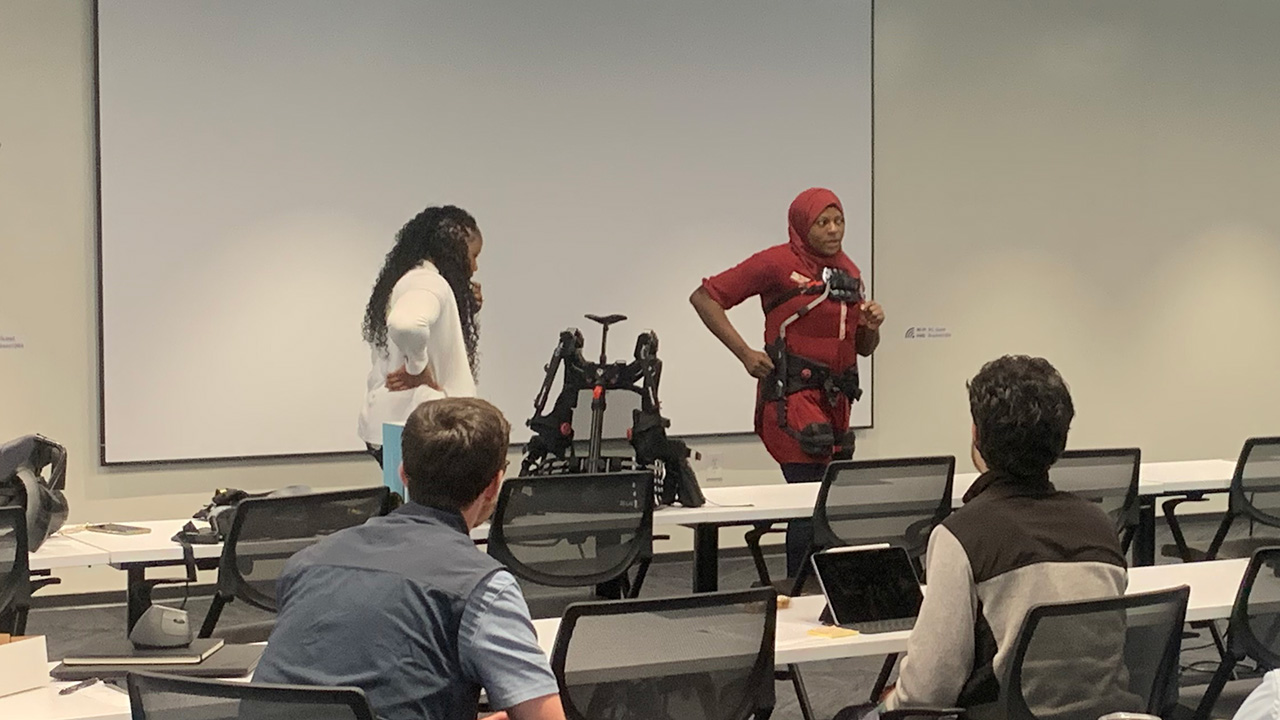
Georgia Tech's proximity to industry and technology resources intersect to support this type of research, according to Ogunseiju. "Georgia Tech is in a very, very strategic location. There are construction sites all around. I take my students to job sites at least twice a semester, and I've even taken the exoskeletons to construction sites and had workers wear them."
“I’m also affiliated with Tech's Institute for Robotics and Intelligent Machines. This opens another big door for my exoskeleton research, giving connections to on-campus people already interested in computer science and robotics.”